
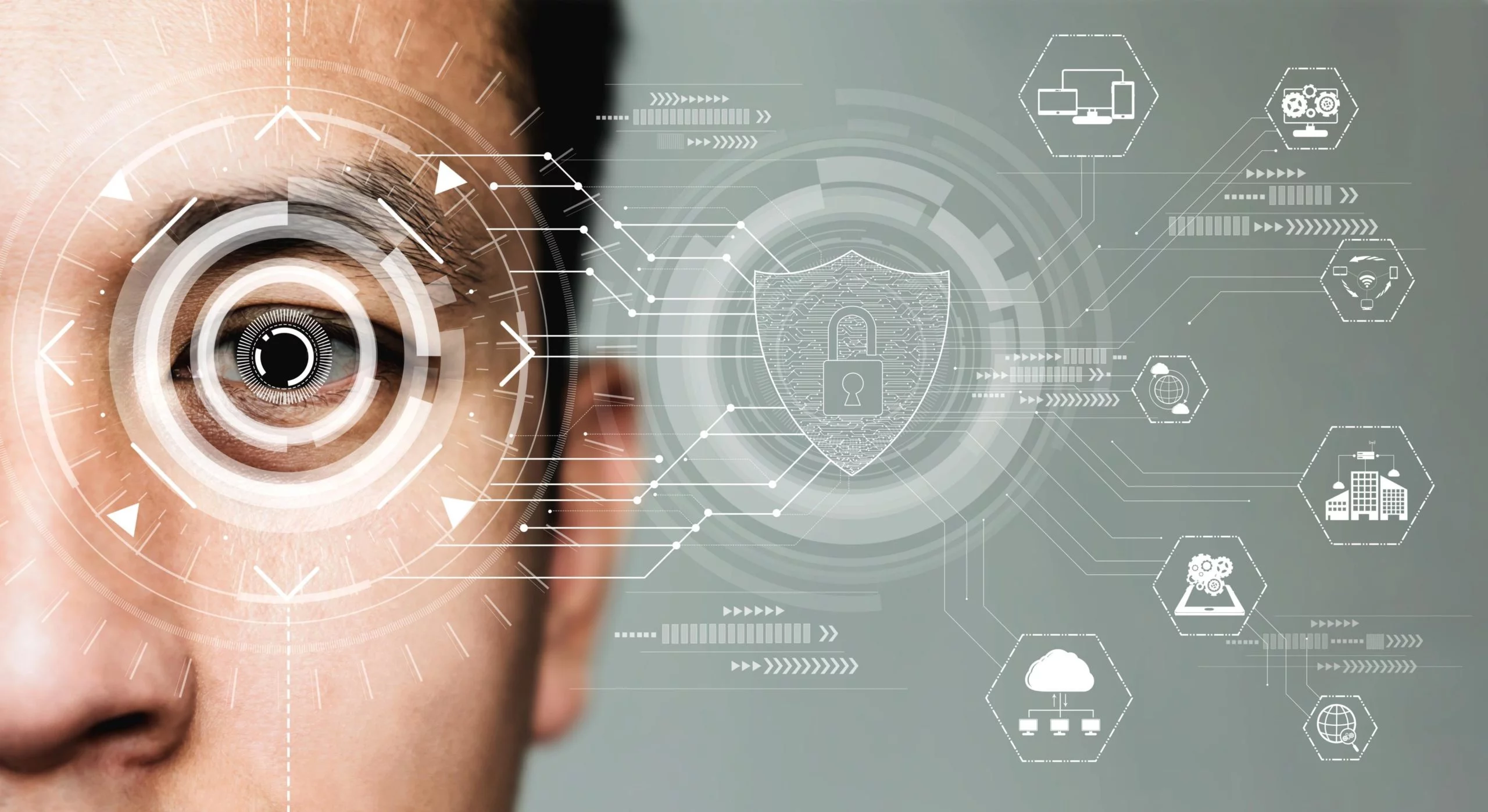
In 2026, Computer Vision is evolving at an unprecedented pace, thanks to breakthroughs in Traditional AI, Machine Learning (ML), and Generative AI. These innovations are reshaping industries and setting new performance standards. Let’s explore the top trends driving the future of Computer Vision technologies.
1. Generative Adversarial Networks (GANs)
What They Are: GANs generate synthetic data, improving AI model training when real-world data is scarce.
Why It Matters: While diffusion models — like Black Forest Labs’ FLUX.2 family — have overtaken GANs as the state of the art for image synthesis, GANs remain valued for fast, low-latency generation.
Applications: Data augmentation, image synthesis, super-resolution.
2. Self-Supervised Learning (SSL)
What It Is: SSL reduces the need for labeled data, making training faster and cheaper.
Cost Efficiency: Saves up to 80% in time and resources.
Applications: Unstructured data, improved ML models.
3. Vision Transformers (ViTs)
What They Are: A new method for processing images holistically, beyond traditional CNNs.
Why It Matters: Offers superior performance in object detection and segmentation.
Applications: Open-vocabulary detection and segmentation, exemplified by Meta’s SAM 3 released in late 2025.
4. Edge Computing
What It Is: Data processing at the source for real-time decision-making.
Why It Matters: Minimizes latency and reduces bandwidth use for faster operations.
Applications: Autonomous vehicles, smart cities, industrial automation.
5. Multimodal AI
What It Is: Combines data from multiple sources like text, images, and video for richer insights.
Why It Matters: Improves accuracy in industries like healthcare by integrating different data types.
Applications: Diagnostics, personalized customer experiences, business insights.
6. 3D Computer Vision
What It Is: Techniques like LiDAR and 3D reconstruction to enhance spatial awareness.
Why It Matters: Enables more detailed and accurate physical world representations.
Applications: Robotics, augmented reality (AR), autonomous navigation.
Conclusion
As we move through 2026, the evolution of Traditional AI, ML, and Generative AI is pushing the boundaries of what’s possible in Computer Vision. At NeuralChainAI, we’re harnessing the latest trends to deliver cutting-edge, customized solutions that meet the evolving needs of our clients. Staying ahead of these advancements ensures that our clients benefit from the most advanced, effective Computer Vision technologies available today.
